Emergency Callout
  Get in Contact
  Get Your Free Quote
 Insulated roller shutters have become an essential feature of modern commercial and industrial buildings across the UK. Warehouses, distribution centres, manufacturing plants and retail premises all rely on secure and efficient access solutions. Insulated shutters offer a practical combination of security, energy efficiency, durability and space-saving design that traditional doors often struggle to provide.
As energy costs rise and building performances standards tighten, businesses are increasingly turning to insulated roller shutter systems to improve operational efficiency while protecting assets.
The History of Roller Shutters
The development of roller shutters spans centuries of engineering progress. One of the earliest recorded examples of automated door systems dates back to the first century AD, when the Greek engineer Heron of Alexandria created mechanisms using steam pressure and pulley systems to open temple doors. While these early systems were not shutters in the modern sense, they introduced the concept of automated access.
Modern roller shutter technology began to take shape in the early twentieth century. Industrialisation created a need for strong, space-efficient doors that could secure large opening in factories and warehouses. By the 1920s, the invention of upward-lifting garage door mechanisms paved the way for rolling shutter systems made from interlocking slats.
The use of metal shutters increased significantly after the Second World War. Across the UK, damaged urban areas and rebuilding efforts required practical ways to secure commercial buildings. Steel shutters became common on shopfronts and industrial sites as businesses sought stronger protection.
By the 1970s, roller shutters were firmly established in industrial environments. The global energy crisis of that decade also triggered greater awareness of insulation and energy efficiency, which eventually led to the development of insulated shutter designs.
Today’s systems combine durable materials, automated motors and advanced safety features, making them a critical component of commercial building infrastructure.
What Are Insulated Roller Shutters?
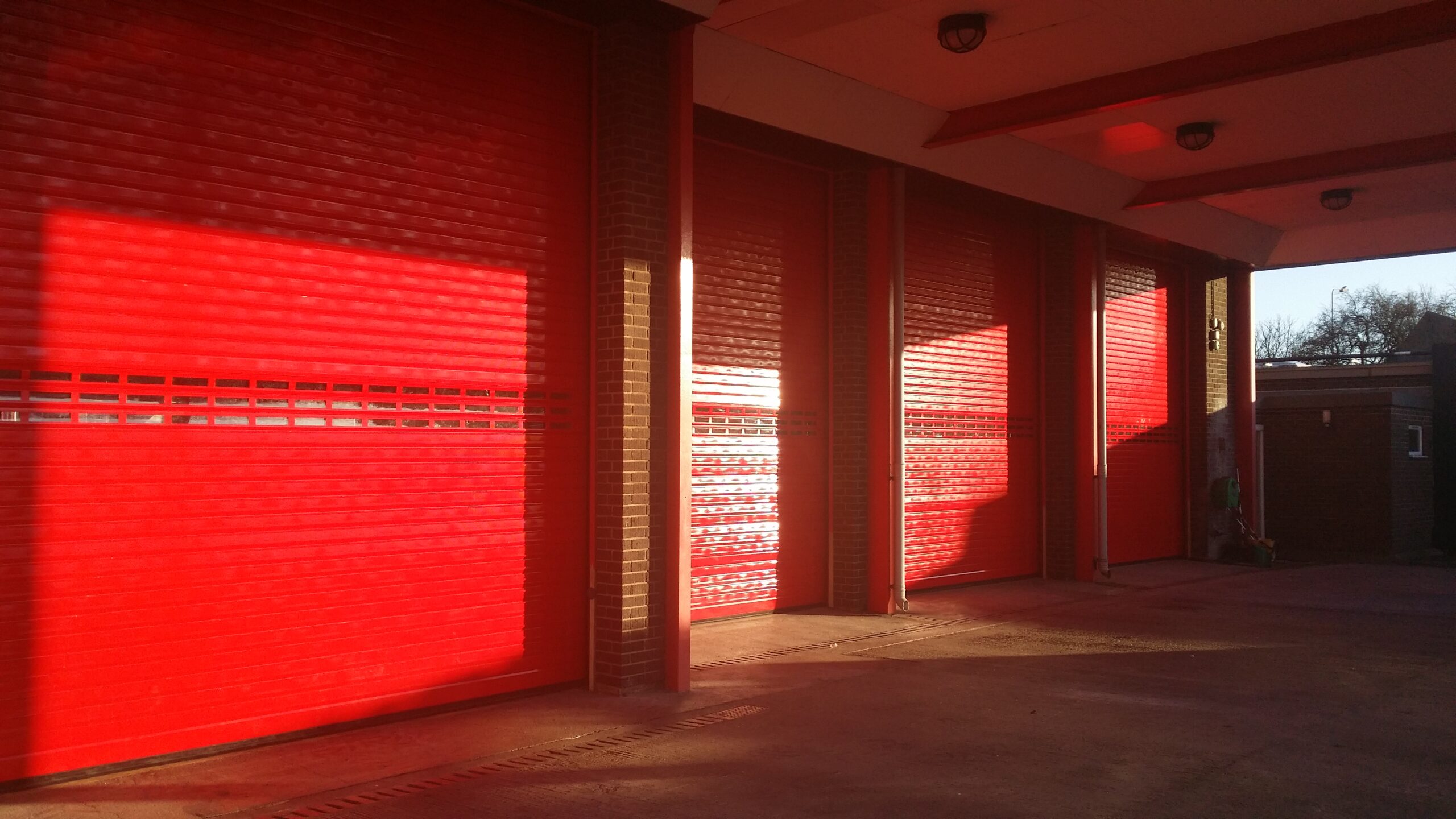
Insulated roller shutters are vertically opening door systems made from interlocking slats that coil around a barrel mounted above the opening. Unlike single-skin shutters, insulated models feature double-walled slats filled with a thermal core, typically polyurethane foam or polystyrene.
This construction creates a strong yet lightweight door curtain that delivers improved insulation and rigidity. The slates are usually manufactured from galvanised steel or aluminium, both of which provide corrosion resistance and long-term durability.
Most commercial insulated shutters operate using electric motors and control panels, although manual chain systems may still be used for smaller installations. Advanced systems can also integrate remote controls, key switches, times or smart automation linked to building management systems.
Because the shutter rolls vertically into a compact housing above the doorway, it requires very little internal space. This design allows businesses to maximise floor space and maintain full access or machinery.
Why do Businesses Choose Insulated Roller Shutters?
Energy Efficiency and Thermal Performance
One of the primary reasons businesses install insulated roller shutters is to improve energy efficiency. Industrial buildings often lose large amount of heat through door openings, particularly in warehouses and loading areas where doors open frequently.
The foam-filled slats used in insulated shutters act as a thermal barrier. They help retain internal heat during winter and reduce heat transfer during warmer months. For facilities that rely on temperature stability, such as cold storage units or food processing plants, this insulation can significantly improve environmental control.
Reducing heat loss also lowers heating and cooling costs. With UK energy prices remaining high, improved insulation can contribute to substantial long-term savings while helping businesses reduce their carbon footprint.
Security for Commercial Premises
Security remains a major concern for commercial property owners. Insulated roller shutters provide a robust barrier that helps protect buildings against unauthorised entry, vandalism and theft.
Steel shutters systems are particularly resistant to impact and forced entry. The interlocking slat design forms a solid curtain that is difficult to pry open, while reinforced rails keep the door securely aligned during operation.
Many modern shutter systems can also integrate with alarm systems, CCTV networks or access control systems. This allows businesses to create a more comprehensive security strategy around their premises.
Noise Reduction and Workplace Comfort
Industrial operations often generate high levels of noise, particularly in manufacturing or logistics environments. Insulated roller shutters can help reduce sound transmission between indoor and outdoor spaces.
The insulated core within the slats absorbs vibrations and dampens noise, making them useful in facilities located near residential areas. This can help businesses comply with environmental noise regulations while improving working conditions for employees.
Protection from Weather and External Conditions
In many commercial settings, external doors are exposed to challenging weather conditions. Wind, rain and debris can all affect operational areas, particularly in logistics yards or agricultural premises.
Insulated roller shutters are designed to withstand these conditions. Heavy-duty guide rails and reinforced bottom bars help stabilise the curtain during strong winds, while brush seals and rubber weather strips reduce draughts and water ingress.
Efficient Use of Space
Unlike traditional hinged doors, roller shutters open vertically and coil above the doorway. This design means they do not require additional swing space inside or outside the building.
For warehouses, factories and loading bays where space can be limited, this vertical operation maximises usable floor area and allows vehicles to manoeuvre closer to the entrance.
The compact design also allows shutters to be installed on a wide range of building types without extensive structural modifications.
UK Regulations and Industry Standards
Because powered roller shutters are mechanical systems, they must comply with safety regulations governing industrial doors. Proper installation, testing and maintenance are essential to ensure safe operation.
One of the key organisations providing guidance in this area is the Door & Hardware Federation. Founded in 1897, the DHF represents manufactures, suppliers and installers of industrial doors, lock and architectural hardware.
The federation works closely with the Health and Safety Executive to promote best practices in installation, servicing and workplace safety. It also provides training, technical guidance and certification programmes for companies operating within the sector.
Businesses planning to install insulated roller shutters should ensure their suppliers follow recognised industry standards and provide appropriate certification documentation.
Maintenance and Servicing of Insulated Roller Shutters
Regular servicing is essential to keep insulated roller shutters operating safely and efficiently. Like any mechanical system, shutters contain moving components that can wear over time.
Routine maintenance typically involves checking motors, electrical controls and safety sensors to ensure they function correctly. Engineers will also inspect guide rails, bearing and curtain alignment to confirm the shutters is moving smoothly.
Lubrication of moving parts helps prevent friction damage, which seals and weather strips are checked for signs of deterioration. Safety features such as emergency stop systems and manual overrides should also be tested.
The Health and Safety Executive advises that powered doors should undergo regular inspection and maintenance. Many businesses schedule servicing at least once per year, although doors used frequently in industrial environments may require more frequent inspections.
Proactive maintenance helps prevent unexpected breakdowns and extends the lifespan of the systems. It also reduces the risk of safety incidents and ensures the installation remains compliant with regulations.
How to Choose the Right Insulated Roller Shutter Installer
Selecting the right industrial door installer is one of the most important steps when investing in insulated roller shutters. A poorly installed door can lead to reliability problems, safety risks and increased maintenance costs.
Experienced installers will begin with a site survey to assess the building and operational requirements. They will consider factors such as opening size, wind exposure, frequency of use and thermal performance needs before recommending a specific shutter design.
Membership of recognised trade bodies such as the Door & Hardware Federation can provide reassurance that the company follows professional standards and industry guidelines.
It is also important to confirm that the installer provides appropriate certification, including UKCA compliance documentation and electrical testing where required. This paperwork is essential for insurance purposes and building compliance.
Finally, businesses should look for suppliers who offer ongoing support. Maintenance contracts, emergency repairs and spare parts availability all contribute to long-term reliability.